
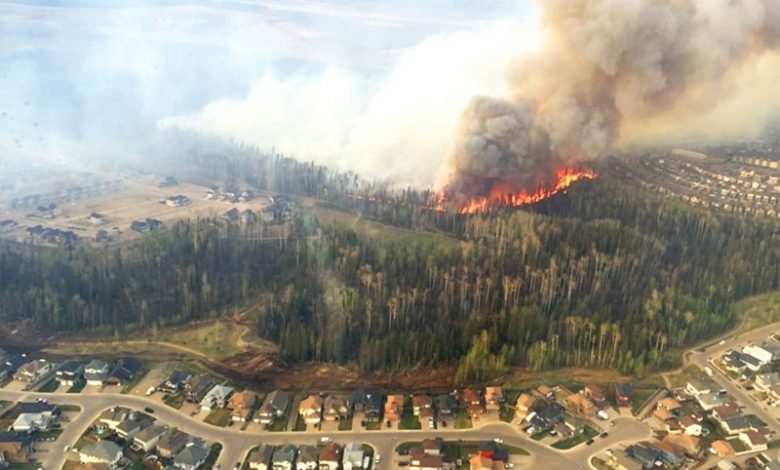
California’s Wildfire Hazard, as it exists now, is increasing each year and is driven by several influences, including dry vegetation, hotter temperatures and the push toward urban development into areas of the state that contain a history of experiencing wildfires. Fire incidents occur every year during the warmer months. A trend has shown that many of California’s rural and urban areas, which are subject to extreme fire conditions, have grown in size and population, so they will be at risk for wildfires.
Most Vulnerable Areas in California Right Now
The region of Southern California has experienced drought conditions and seasonal winds, resulting in the potential to experience wildfires.
Through a recent analysis, Los Angeles County has continued to see a significant number of areas in Los Angeles County (e.g., Malibu, Pasadena, Santa Clarita) have developed into high-risk urban fire areas in numbers that have increased compared to the previous year.
Inland Empire (Riverside & San Bernardino Counties)
The Inland Empire, which includes Riverside County and San Bernardino County, consists of some of California’s most urbanized high-risk acres. For example, Riverside County has a high number of acres classified as Very Highest risk when compared to all counties in California.
The cities of San Bernardino County also have a high number of structures subject to damage from wildfires, which is consistent with what has been reported for the Riverside County area.
Why Wildfire Risk Is Increasing in 2026
According to numerous experts, there is an increasing threat of Wildfire due to many reasons.
1. High Vegetation/Fuel Load
There is an abundance of grass and dried vegetation creating the perfect environment for wildfires and burning, especially in the Southern California area.
2. Increased Urban Development into Wildfire Areas
The more homes that are built in a wildfire risk area the more homes are exposed to being affected by wildfires.
3. Climate Change & Temperature
The increase in temperature and change in weather patterns will lead to extending fire season and increasing fire intensity.
4. Human Action
From 80% to 90% of wildfires are due to human caused action such as tool usage and powerlines.
Final Thoughts
The wildfire risk in California in the year 2026 is a trend observed nationwide as wildfire frequency, intensity, and prevalence increase. The growth of vulnerable areas spans the entire state, from Southern California wind-prone areas to Northern California forested areas. Awareness of being located in a high-risk area is the key to effective preparation, as many residents do not know this puts them at risk of dying if there is a wildfire in their area when the fire season peaks.
FAQs
1. Which areas in California are most at risk right now?
Southern California (Los Angeles, San Diego), Inland Empire, Northern California forests, and Bay Area interface zones are among the most vulnerable.
2. What are Fire Hazard Severity Zones?
They classify areas as moderate, high, or very high risk based on fire likelihood and behaviour.
3. Why is wildfire risk increasing?
Due to climate change, dry vegetation, urban expansion, and human activity.
4. What is the wildland-urban interface?
It is where residential areas meet natural vegetation, increasing fire risk.
Stay Ahead With Key Insights
Why Cool Roofs Gaining Importance?
Explore how they reduce heat impact.
Will 2026 Bring Extreme Heat?
Discover why scientists expect high temperatures.
What Does 30 By 30 Mean?
Check global goals for nature protection.