
Why Bucharest Flood Streets Repeat: What Paved Growth Does To Runoff Speed
Bucharest street flooding repeats after storms because paved surfaces push rainwater faster into drains. Explore how urban growth reshaped runoff speed.

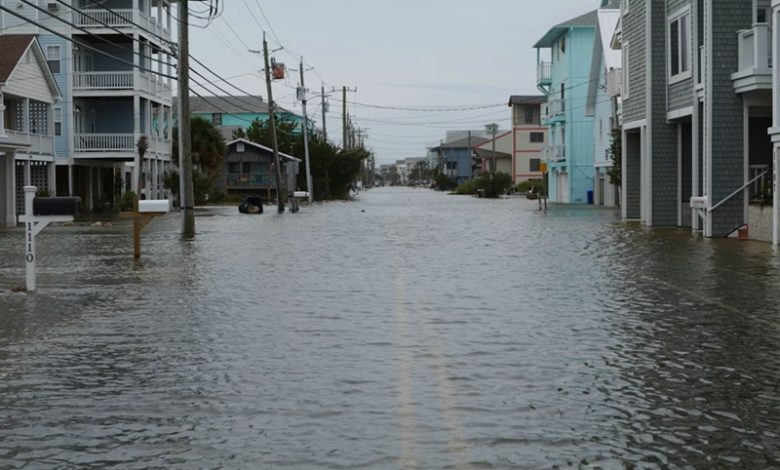
Bucharest does not need a river to flood a street. A hard storm, a sealed surface, and a drainage network under pressure can do the job fast. That pattern showed up again in June 2025, when torrential rain flooded roads, disrupted traffic, and sent water into parts of the transport system, including around Piața Unirii. Recent reporting around Romania has also kept flood risk in the public eye, especially after wider national flood emergencies in 2025 and fresh hydrological alerts in early 2026.
How Fast Water Moves When A City Keeps Getting Harder
The reason these scenes repeat is not only the rain. It is also the ground. When more land is covered by asphalt, concrete, parking areas, and tightly built blocks, less water can soak into soil. The European Environment Agency states plainly that impervious surfaces reduce rainwater drainage and raise urban flood risk. Research on urban development shows the same direction: as impervious cover rises, infiltration falls and surface runoff increases. In plain words, rain that once slowed down in open ground now races across paved land and reaches drains almost at once.
Why Bucharest Feels This So Quickly
Bucharest is especially exposed because it is dense, heavily paved in many districts, and still reliant in places on conventional stormwater systems that can be overwhelmed during short, intense cloudbursts. A 2025 study focused on Bucharest says traditional drainage has limits and argues for nature-based solutions to improve flood resilience. An earlier Bucharest runoff study also found that stormwater in the city carries significant pollutant loads, which matters because fast runoff is not just a flooding issue. It becomes a street-water-quality issue too.
A useful official reference inside this debate is the Romanian meteorological service, because local warnings often explain why even a short storm can turn disruptive quickly. For readers wanting a recent news snapshot, Reuters’ coverage of Romania’s 2025 flood emergency adds wider context on how repeated heavy-rain events are shaping the country’s risk conversation.
What Could Slow The Runoff Down
The fix is not one giant pipe and done. Cities usually reduce runoff speed with more permeable surfaces, rain gardens, tree pits, detention zones, green roofs, and better street design that stores water for a short time instead of forcing every litre into the same drains together. That is why paved growth matters so much. It changes not only where water lands, but how fast it arrives. In Bucharest, that speed is the real story behind streets that seem to flood again and again.
FAQs
1. Why do Bucharest streets flood so fast?
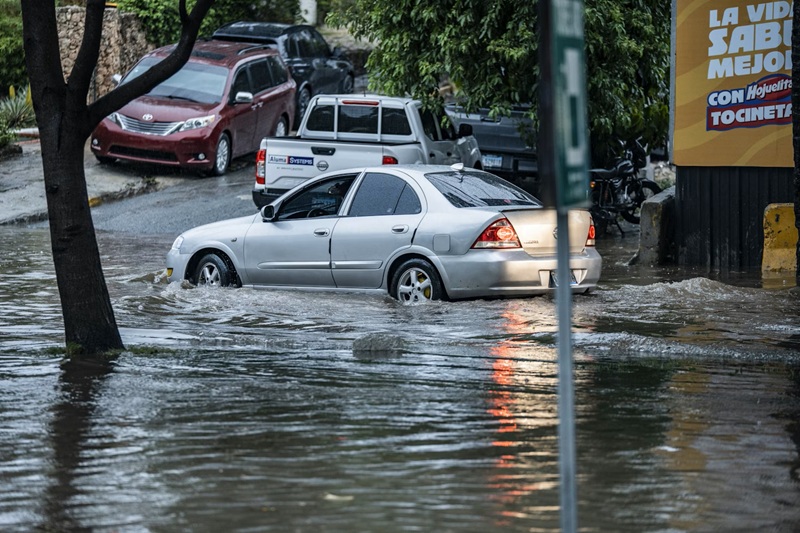
Heavy rain hits sealed surfaces, then water reaches drains quickly and overloads weak points in minutes.
2. Does paving really increase runoff speed?
Yes, paved ground blocks infiltration, so rainfall moves across surfaces faster and concentrates into drains.
3. Is climate change part of this problem?
Yes, stronger intense-rain events make urban drainage failures more common, especially in heavily paved districts.
4. Can green spaces reduce street flooding?
Yes, trees, soil, swales, and permeable ground slow runoff and absorb part of rainfall peaks.
5. Why is runoff quality also a concern?
Fast street runoff can carry oil, metals, and waste into drains and nearby watersheds quickly.