Study Warns of Sharp Biodiversity Loss Rising in Climate-Sensitive Areas
A new study warns of rapid biodiversity loss across climate-sensitive regions, revealing faster ecosystem decline and growing environmental pressure driven by warming trends.

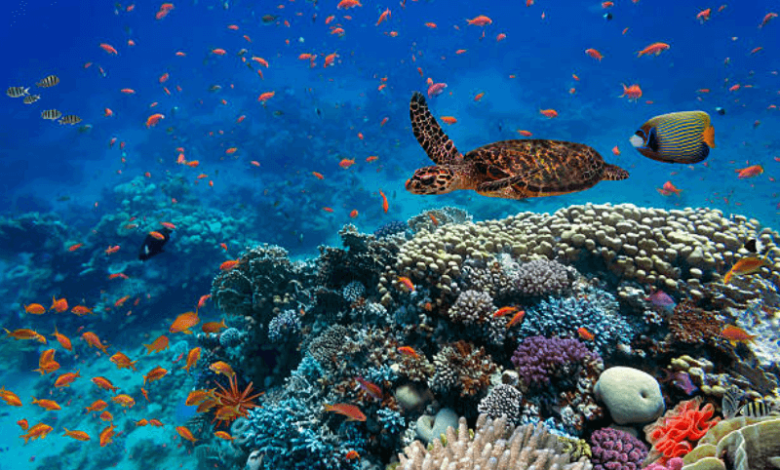
The study tracks changes across climate-sensitive regions, including high mountains, tropical belts, coastal zones, and drylands. It links recent climate patterns with falling species numbers, shrinking habitats, and rising stress on already-fragile ecosystems. And it flags an uncomfortable pattern. Declines are not spread evenly.
Researchers describe faster losses where warming and rainfall swings arrive together, pushing species past tolerance limits. The study also notes that local extinctions are climbing in pockets that once acted as safe zones, such as cool upland forests and sheltered coastal wetlands. That shift worries field teams because those pockets used to be the fallback.
Why Climate-Sensitive Regions Face the Highest Risk
Climate-sensitive regions often run on narrow margins. A few hotter weeks, a delayed monsoon, or a sudden cyclone can upset breeding, flowering, and migration timings. Many species in these zones are specialised. They cannot simply “move” and settle elsewhere like a suitcase being shifted.
Mountain areas show another trap. Species climb uphill to stay cool, but the mountain ends. Coastal ecosystems face warming seas plus saltwater intrusion, and storm surges punch through mangroves and marsh edges. In drylands, a longer heat spell can mean waterholes shrink earlier, and the whole food chain feels it. Simple, harsh physics.
Main Drivers Behind Rapid Biodiversity Loss
The study points to climate change as a pressure that amplifies other damage already underway. Habitat fragmentation comes up repeatedly. Roads, mining patches, new housing edges, and farm expansion slice landscapes into smaller, disconnected pieces. Small pieces heat up faster and recover slower.
Extreme events matter too. Heatwaves, wildfires, flash floods, and cyclones do not just kill individuals. They remove nesting sites, wipe seed banks, and open the door to invasive species. And invasive species take advantage quickly. That part frustrates many conservation workers because once invasives take hold, clean-up becomes a long, expensive grind.
Ecological and Human Consequences Highlighted by the Research
Biodiversity loss is not only about rare animals in posters. It shows up in day-to-day systems. Fewer pollinators can mean uneven yields in fruit and oilseed crops. In rivers and wetlands, loss of native vegetation often leads to murkier water and weaker natural filtration. It sounds basic, because it is.
A short table helps picture the chain of effects that field teams often report:
| Stress observed | Immediate ecological change | Human-facing impact |
| Hotter, longer summers | Breeding and flowering shifts | Lower farm reliability in some areas |
| Stronger storms | Mangrove and reef damage | Higher coastal erosion risk |
| Invasive spread | Native species pushed out | Costlier land and forest management |
The study also points to a quieter cost: resilience. Ecosystems with fewer species often bounce back slower after shocks. Recovery becomes patchy, then people call it “bad luck”, but it is often a pattern.
Case Studies from Vulnerable Climate Hotspots
Across tropical forests, researchers report changes in bird and amphibian presence near altered forest edges. Field notes describe mornings that used to be loud, now strangely thin, with fewer calls. That silence sticks with observers. It is not drama. It is a signal.
In coastal zones, marine teams report bleaching events and heat stress that reduce fish shelter. Small fish disappear first. Then bigger fish follow. On some shorelines, locals notice it through market baskets: fewer varieties, smaller sizes, and higher prices on certain days.
In mountain ecosystems, species are recorded at higher elevations than past surveys. The shift looks neat on a chart, but on the ground it is messy. Cold-adapted plants lose space. Insects arrive earlier. And the timing mismatch spreads across the food chain.
Projected Biodiversity Outcomes Under Rising Global Temperatures
The study warns that rising global temperatures can increase the pace and spread of biodiversity loss, particularly in climate-sensitive regions that already sit near ecological limits. It does not frame it as one sudden collapse everywhere. It reads more like a steady fraying, then sudden breaks in specific places.
Projections highlight higher risks for endemic species with small ranges, reef-linked marine life exposed to repeated heat events, and montane species running out of altitude. The study also notes that multiple stressors acting together can push systems faster than single-factor models suggest. That combined effect is the nasty part.
Recommended Conservation and Policy Actions
The study calls for conservation planning that assumes climate instability, not climate normalcy. It points toward protecting climate refuges, restoring habitat corridors, and reducing non-climate pressures like illegal logging and overharvesting. These are not glamorous tasks. They are practical.
Policy recommendations include better land-use zoning, stronger enforcement in high-biodiversity areas, and long-term funding for monitoring. Monitoring sounds boring to the public, but it prevents blind decisions. Also, early warning systems for heat, fire, and storms can help protect ecosystems before damage becomes permanent.
How Communities and Countries Can Strengthen Biodiversity Resilience
Local action appears in the study as a serious lever, not a token line. Community-managed forests, wetland protection groups, and coastal stewardship can reduce everyday damage that piles up over years. And when local knowledge is respected, projects tend to last longer. That has been seen again and again.
Countries can scale resilience by linking protected areas, supporting climate-smart farming near sensitive habitats, and keeping waterways cleaner so ecosystems are not fighting on ten fronts at once. It is also about process: quicker permits for restoration, clearer accountability, and steady budgets. Stop-start work wastes time, and time is tight.
FAQs
1. What are climate-sensitive regions, and why do they face faster biodiversity loss than stable landscapes?
Climate-sensitive regions react sharply to heat and rainfall shifts, so species lose habitat quickly and struggle to adapt.
2. How does biodiversity loss affect ordinary people living far from forests, coasts, or protected areas?
It can reduce pollination, weaken water filtration, increase erosion risks, and raise food price volatility in supply chains.
3. Which drivers besides climate change are pushing biodiversity loss higher in climate-sensitive regions?
Habitat fragmentation, invasive species, overharvesting, pollution, and repeated extreme events combine with warming to worsen decline.
4. What actions can governments take that actually reduce biodiversity loss instead of only announcing targets?
Protect climate refuges, fund monitoring, enforce land-use rules, restore corridors, and cut illegal extraction with steady enforcement.
5. Can biodiversity rebound after damage, or does loss in climate-sensitive regions become permanent?
Some recovery is possible with restoration and reduced stress, but repeated shocks can make local extinctions hard to reverse.