Why Biodiversity Hotspots Matter in Fighting Climate Change Naturally
See how biodiversity hotspots help fight climate change naturally by absorbing carbon, reducing habitat loss, and strengthening ecosystems facing global pressure.

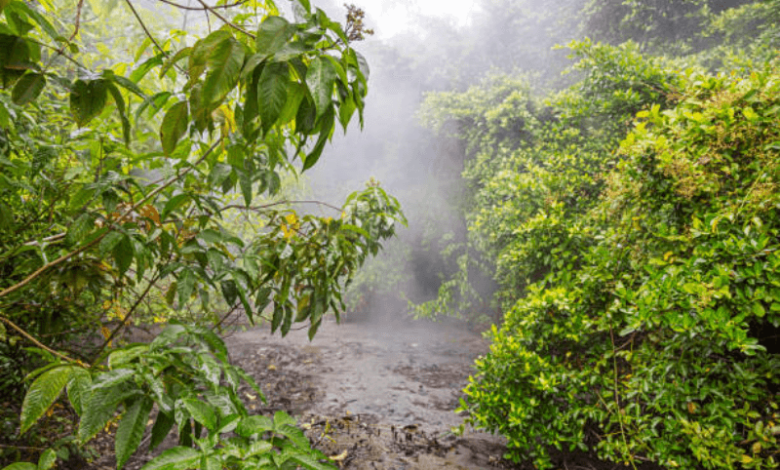
Biodiversity Hotspots are small areas with huge life packed inside them, and they quietly do climate work every day. When forests, wetlands, reefs, and mountain ecosystems stay intact, they store carbon, cool local temperatures, protect water cycles, and reduce disaster risk. That is why protecting global biodiversity hotspots is not only a wildlife issue. It is climate action that happens without a machine.
Why Hotspots Matter For Carbon, Water, And Resilience
If you zoom out and look at biodiversity hotspots in world maps, you notice a pattern: many sit in forests, mountains, and coasts where carbon and rainfall systems are sensitive. Keep those landscapes healthy and you keep the carbon locked in soils and trees, plus you keep rivers steadier during heat and drought. The UN biodiversity team has highlighted that hotspots can store carbon while supporting essential ecosystem services in their post on X.
There is also a timeline behind the numbers people search. Many guides still mention 25 biodiversity hotspots, while other references point to 34 hotspots of biodiversity after later reviews and updates to the framework. In plain terms: the list grew as science got sharper, and more threatened, high-endemism regions were recognised.
The Biggest Biodiversity Hotspot In World Isn’t Just “Big” In Size
If you mean “most biologically diverse,” the Tropical Andes is widely described as the most diverse hotspot, with enormous plant richness for its area. Protecting places like this helps climate in a very grounded way: fewer emissions from land clearing, more stable cloud-forest water capture, and stronger natural buffers against extreme weather.
A Trend You’re Seeing More Often: Bigger Protection Moves
A recent example is French Polynesia announcing what’s described as the world’s largest marine protected area, showing how conservation decisions are getting framed as climate and food-security moves too.
FAQs
What are Biodiversity Hotspots?
Regions with high endemism and heavy habitat loss, needing urgent protection.
How do hotspots fight climate change?
They store carbon, regulate water, and reduce heat and disaster impacts.
Are there 25 or 34 hotspots?
Older lists cite 25; later updates commonly cite 34 hotspots of biodiversity.
What is the biggest biodiversity hotspot in the world?
Tropical Andes is often called the most diverse hotspot globally.
What can people do fast?
Support protected areas, avoid deforestation-linked products, and fund local conservation groups.