The Real Reason Biodiversity Conservation Is Critical for Climate Solutions
See why Biodiversity Conservation is critical for climate change solutions, offering natural defences, improved resilience, and science-backed pathways for long-term climate stability.

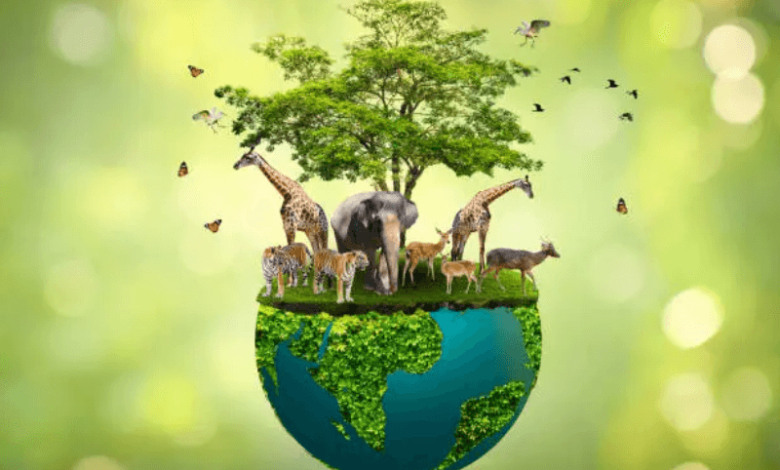
If climate policy is the engine, nature is the fuel line. When forests, wetlands, reefs, and grasslands are damaged, heat stress, floods, crop failures, and disease pressure all rise. That is why Biodiversity Conservation is not a side topic anymore.
Today, biodiversity and conservation must be built into every adaptation and mitigation plan, from farming policy to urban drainage. Without that link, projects may look strong on paper but fail under real climate stress.
Why The Climate Conversation Now Starts With Nature
Two recent signals show why this is urgent. First, UNEP’s 2026 State of Finance for Nature says the world spends about 30 dollars harming nature for every 1 dollar protecting or restoring it. Second, under the Kunming-Montreal framework, governments committed to mobilize 200 billion dollars a year for nature by 2030 through Target 19. At COP16, parties also adopted decisions aimed at tighter biodiversity-climate coordination and implementation.
UN climate guidance notes that seagrasses and mangroves can store carbon at rates up to four times higher than terrestrial forests. UNEP-WCMC’s 2026 Horizon Scan flags 15 emerging issues for biodiversity conservation in the coming decade. Official updates from UN Biodiversity on X and UN Biodiversity on Instagram are now shaping public climate conversations.
3 Ways To Protect Biodiversity
Protect intact ecosystems first. Finance local and Indigenous stewardship models. Build wetland and mangrove buffers into city climate plans.
One Biodiversity Conservation Project Cities Can Start This Year
A practical biodiversity conservation project is restoring floodplain wetlands connected to stormwater systems. The biodiversity benefits are fast: lower flood peaks, cleaner water, cooler neighborhoods, and stronger habitat. The same model improves public health, local jobs, and long-term municipal resilience. In plain terms, biodiversity and its conservation is climate risk management, and conservation of biodiversity protects livelihoods.
FAQs
1) How does biodiversity help climate mitigation?
Healthy ecosystems absorb carbon, cool cities, protect soils, and reduce disaster losses across vulnerable communities.
2) What are the quickest policy wins?
Stop habitat conversion, fund restoration, enforce pollution controls, and align farm subsidies with ecosystem protection.
3) Why are mangroves emphasized so often?
Mangroves store dense carbon, buffer storm surges, support fisheries, and strengthen coastal livelihoods under warming.
4) Can businesses contribute meaningfully?
Yes, by funding verified restoration, removing deforestation risks, and measuring nature impacts in supply chains.
5) What makes a strong biodiversity conservation project?
Clear baseline data, community ownership, long-term financing, transparent monitoring, and legal protection for habitats locally.