Bhopal Upper Lake Study Explained: What A 40% Shrinkage Warning Means For The City’s Water Future

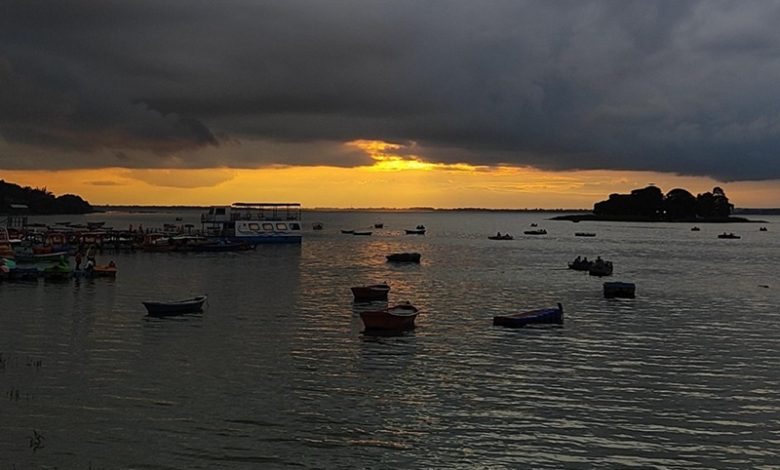
Bhopal’s Upper Lake is not just a postcard view. It is one of the city’s core water lifelines. A fresh study reported on April 2, 2026, warns that the lake could shrink by about 40% by 2050 during pre-monsoon periods if warming reaches 2°C. That warning lands at a tense moment, because Bhopal has already been declared a water-scarce zone this year and private borewell drilling has been restricted. Put simply, this is not only an environmental story. It is a city survival story.
What The 40% Shrinkage Warning Actually Means
The study, led by researchers from IISER Bhopal and MANIT Bhopal, used satellite data from 1990 to 2022 and AI-based modelling to project how the lake may behave under climate stress. The 40% figure does not mean the entire lake disappears overnight. It points to severe seasonal contraction, especially before the monsoon, when water stress is already at its peak. The bigger risk is that weaker recharge, longer dry spells, and hotter summers start stacking on top of each other.
Why This Matters Beyond The Lakefront
Upper Lake supplies more than 40% of Bhopal’s drinking water, so any major seasonal decline affects homes, public supply planning, groundwater pressure, and even fish stocks and wetland biodiversity. Recent reporting also said the lake level this summer was 3.65 feet below full tank level, sharper than last year’s gap. That does not prove collapse, but it does show how narrow the safety margin can get when heat, demand, and delayed rain meet together.
The Warning Fits A Bigger Bhopal Water Story
This study is not arriving in isolation. In March 2026, authorities declared Bhopal a water-scarce zone and banned new private borewells till June 30 to slow groundwater stress. Separate local reporting has also flagged catchment shrinkage and encroachment pressure around the lake system. Together, these signals show a larger pattern: surface water stress above ground and groundwater stress below it.
What People Should Watch Next
The next big marker is the monsoon. A good recharge season can ease immediate pressure, but it does not erase the long-term trend the study is warning about. What matters now is catchment protection, wetland rule enforcement, sewage control, and serious urban water planning instead of seasonal panic. Even local news accounts are now connecting Bhopal’s borewell restrictions to worsening water stress; for example, Free Press Madhya Pradesh posted on X about the district’s water-scarce status and borewell ban.
Why The Study Feels Bigger Than One Headline
The most important part of this warning is not the number alone. It is the message behind it: Bhopal cannot treat Upper Lake as permanent insurance. If the city grows while the lake’s buffer, recharge, and catchment stay under pressure, water security becomes harder and costlier every year.
FAQs
What is the Upper Lake study warning about?
It warns Upper Lake may shrink 40% by 2050 during hotter, drier pre-monsoon conditions.
Will Bhopal run out of drinking water soon?
Not immediately, but pressure rises if monsoon recharge weakens and urban demand keeps growing.
Who conducted the study on Upper Lake?
Researchers from IISER Bhopal and MANIT Bhopal led the reported climate-risk lake study.
Why are borewells part of this story?
Because groundwater stress worsens when surface water weakens, pushing households and institutions toward borewells.
What should the city do now?
Protect catchments, stop encroachment, improve recharge, control sewage, and plan water use early.
Don’t Miss These Important Reads
Why Bengaluru Cracks Down Garbage?
Explore causes behind stricter waste rules.
Which Solar Panel Better Chennai?
Discover key differences for 2026 buyers.
How Prepared Is New York?
Check storm readiness for city residents.