Missed Checks, Leaf Burning And Waste Smoke: Why Bhopal Stays Hazy
A closer look at why Bhopal remains hazy, linking waste fires, leaf smoke and enforcement lapses that routinely push pollution levels upward despite seasonal controls.

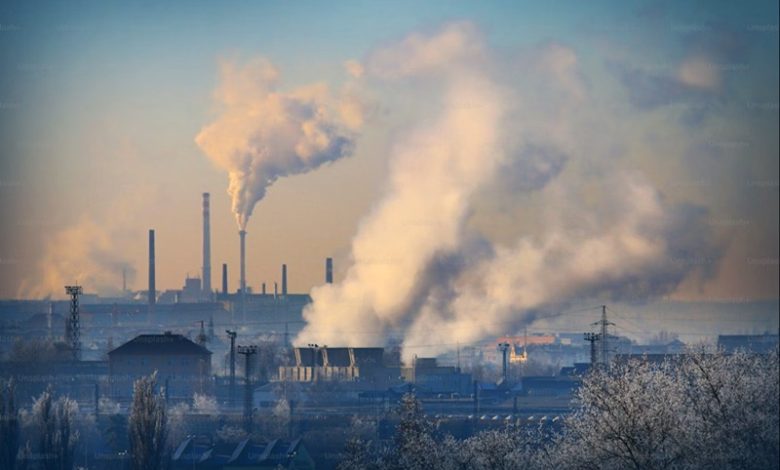
Bhopal’s haze is not only “winter smog”. It is often a local, street-level problem: dry leaves and mixed garbage lit at corners, plus smoke drifting from dump-site flare-ups. When the air turns still, that smoke sits low, and neighbourhoods feel it first.
What Turns Daily Burning Into A Citywide Haze
Residents keep flagging leaf and waste burning as a repeat trigger, but action frequently depends on citizens submitting photo or video “proof”, which delays real enforcement. At the same time, the wider waste system keeps feeding the problem: Adampur’s waste-handling gaps and recurring fire concerns have stayed in focus, with courts and tribunals repeatedly pushing the civic body toward scientific processing and tighter compliance.
What The Court-and-Rule Moment Signals
February 2026 brought fresh pressure: the Supreme Court issued directions pushing stricter readiness and accountability ahead of the Solid Waste Management Rules, 2026 (effective April 1, 2026). These orders matter, but they do not automatically stop the small, daily burn that adds up.
What Enforcement Still Misses On The Ground
The gap is basic: predictable patrols, quick spot-fines, and ward-level follow-through, especially during morning and evening burn windows. Plus, when leaf pickup lags, “burning it” becomes the shortcut. Meanwhile, officials themselves acknowledge AQI spikes tied to PM2.5/PM10 rises and seasonal conditions, which makes preventing open burning even more urgent.
FAQs
1. Is leaf burning really a big source compared with traffic?
In calm mornings, local smoke spikes near homes, adding PM2.5 fast, often before dispersing later.
2. Do fines exist for open garbage burning in Bhopal?
Yes, rules allow penalties, but detection, evidence demands, and follow-through often weaken deterrence seriously today.
3. Why does the haze feel worse in winter?
Cold inversion traps pollutants near ground, so even small fires create thick, lingering neighbourhood smoke.
4. What can residents do without risking conflict?
Report via official channels, share location details, and request ward patrols during common burn hours.
5. What should enforcement change first?
Start routine patrols, issue on-spot fines, collect leaves quickly, and monitor hotspots consistently citywide daily.