What Gets Rejected? Berlin Waste Sorting And Yellow Bin Contamination
Berlin Waste Sorting: Yellow Bin Reality, Contamination, And What Gets Rejected explained clearly. Learn why items fail checks and how sorting mistakes impact recycling results.

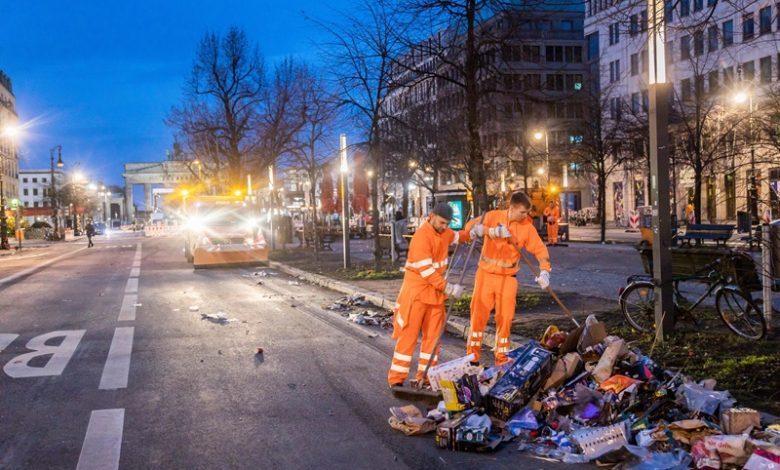
Berlin’s yellow bin seems easy, but the rule is tighter than “plastic goes here.” In practice, sorting quality decides whether materials return to circulation or drop out as residual waste. This is exactly why Berlin authorities and recycling operators keep repeating one point: color alone does not decide disposal, material and contamination do.
What The Yellow Bin Actually Accepts In Berlin
BSR guidance says the yellow recycling bin in Berlin is for packaging and selected items made of plastic, metal, and composite materials, such as yogurt cups, cans, foil, drink cartons, and even some small household metal or plastic objects. But the rejection list is long: batteries, e-waste, textiles, paper, glass, hazardous substances, and bulky waste do not belong there.
When those items enter the stream, sorting quality drops and recyclable material is harder to recover. BSR and ALBA currently share responsibility for collection services across different Berlin districts. Packages should be empty, not washed; separate mixed parts like foil lids from cups, and avoid nesting packs.
The current national signal is more balanced than many viral takes. Germany’s Environment Agency states that more than half of yellow-bin contents go to recycling, while non-recyclable packaging and contaminants are mostly routed to energy recovery. It also reports plastic-packaging recycling rising from 42% in 2018 to 70%.
What Gets Rejected Most Often
In Berlin’s “Fehlwürfe” campaign guidance, common problem items include food leftovers, batteries, old electronics, and textiles. Guidance also warns that visibly misfilled bins can be marked as contaminated and not emptied through normal yellow-bin collection.
Why This Is Trending Again
Berlin’s shift from yellow sacks to yellow bins in affected areas increased attention, and official channels keep repeating disposal rules in plain language, including posts from the Berlin environment authority.
FAQs
1. Can greasy food packs go in the yellow bin?
Only if fully empty; leftovers contaminate material streams and can trigger rejection or recovery outcomes.
2. Are batteries allowed in Berlin’s yellow bin?
No. Batteries can ignite in trucks or sorting plants; return them through shops, recycling points.
3. Should I bag yellow-bin items in black trash bags?
Usually no. Keep items loose so scanners detect materials and crews can inspect contamination quickly.
4. What happens if the yellow bin is clearly contaminated?
Often yes. Misfilled bins may be stickered, skipped, then collected later as residual waste instead.
5. Fastest way to reduce rejection at home?
Empty packaging, separate mixed parts, avoid nesting, and follow district guidance before dropping items in.