When Fuel Fear Spreads: Inside Bengaluru’s Commercial Gas Queue Panic
Bengaluru’s commercial LPG scare triggered restaurant alerts and fuel queues across the city. Here’s how supply anxiety, delivery delays, and urban dependence amplified panic quickly.

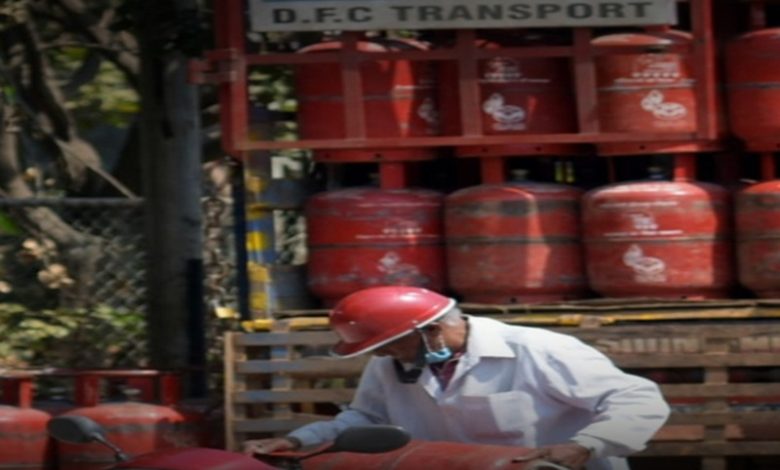
Bengaluru’s commercial gas scare moved faster than a normal supply hiccup because the city runs on tightly timed kitchens, delivery networks, and refill expectations. Once reports emerged that commercial LPG cylinders were not reaching restaurants and darshinis on schedule, the reaction was immediate: menu cuts, shutdown warnings, queue anxiety, and fears that disruption could spill beyond hotels into households and transport. The city did not just see a fuel issue.
It saw how quickly an urban system starts shaking when one daily-use energy source suddenly looks uncertain. Reports across March 10–12 said some eateries were already trimming menus, while the Karnataka government publicly acknowledged disruption in commercial-cylinder supply even as it said domestic supply was adequate.
The Panic Was About Timing, Not Just Stock
For most restaurants, commercial LPG is not a backup fuel. It is the working base of breakfast service, batch cooking, tea counters, and high-turnover kitchens. So when the Bruhat Bengaluru Hotel Owners Association warned of shutdowns and said outlets were not getting commercial cylinders, the message hit the public as a live urban disruption, not an abstract supply-chain story. That is why queue psychology spread faster than official reassurance.
Queue Surges Show How Fear Travels Across Fuel Types
One of the biggest signals of fragility was that anxiety did not stay inside the restaurant business. Times of India reported long lines at Bengaluru CNG stations as drivers feared a repeat of the LPG situation, even though station staff and GAIL said supply and prices remained stable. That matters because it shows how modern city fuel systems are linked by sentiment: once one fuel looks shaky, users of another fuel start behaving defensively too.
Urban Kitchens Expose The Weakest Point First
What made Bengaluru’s story feel urgent was the visibility of the impact. Restaurants reportedly dropped gas-heavy items, reduced hours, and considered limited menus. Indian Express and Deccan Herald both highlighted how hotels were forced to rethink operations almost overnight. When idli, vada, poori, and tea counters start changing, people read that as a sign the city’s daily rhythm is under stress.
One Official Post That Framed The Moment
ANI carried Karnataka Minister Santosh Lad’s response on X about the reported commercial-cylinder shortage in Bengaluru: https://x.com/ANI/status/2031305056650407998. That post mattered because it showed the issue had moved from trade bodies and local kitchens into official political messaging.
What This Reveals About Bengaluru’s Fuel Fragility
The real lesson is simple. Bengaluru is efficient, but thinly buffered. When commercial LPG deliveries wobble, the effects appear first in hotels, then in public queues, then in wider city mood. Add reports of black-market pricing and sudden scarcity stories, and people stop trusting normal refill timelines. A resilient city needs clearer communication, visible reserve planning, and faster separation between commercial disruption and domestic reassurance. Without that, panic becomes its own supply shock.
External Links:
ANI X post: https://x.com/ANI/status/2031305056650407998
Indian Express report: https://indianexpress.com/article/cities/bangalore/bengaluru-restaurants-shutdown-march-commercial-lpg-10-10573499/
Deccan Herald report: https://www.deccanherald.com/india/karnataka/bengaluru/bengaluru-hotels-feeling-the-heat-amid-oil-crisis-eateries-to-stay-shut-from-march-10-as-commercial-lpg-supply-hit-3925487
FAQs
1. Why did Bengaluru’s gas panic spread so quickly?
Restaurant disruption, shutdown warnings, and refill uncertainty made people fear broader citywide fuel instability immediately.
2. Was domestic LPG officially declared short in Bengaluru?
No, officials said domestic supply was adequate, but commercial-cylinder disruption was publicly acknowledged there.
3. Why were CNG queues discussed during an LPG scare?
Because fuel anxiety spread across categories, and drivers feared similar shortages or sudden price shocks.
4. Which businesses felt the pressure first in Bengaluru?
Hotels, darshinis, and small eateries faced pressure first because daily cooking depends heavily on LPG.
5. What does this incident reveal about urban fuel systems?
Cities look stable until one essential supply chain weakens and public confidence collapses very fast.