Bengaluru Lake Froth Return: The 5 Triggers That Predict The Next Foam Week
Bengaluru’s lake froth keeps returning after rains. Discover the five real triggers experts track to predict the city’s next foam week before it spreads again.

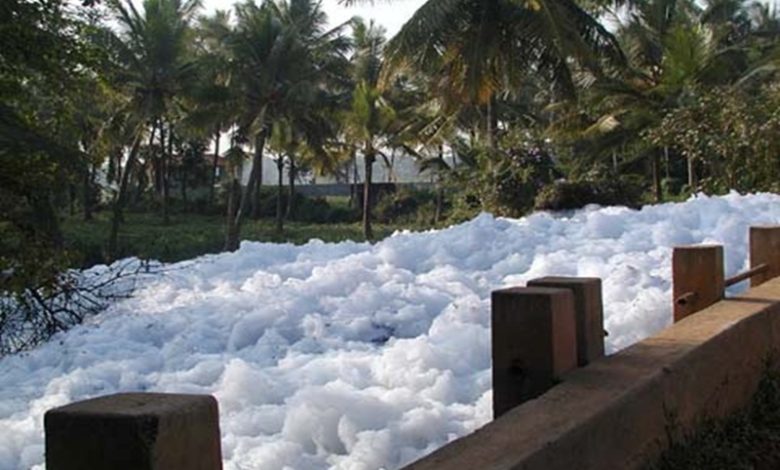
Bengaluru’s “foam week” is back in conversations because it never fully leaves the system. One sharp downpour, one windy commute, and the city gets that odd winter-looking scene again: white froth riding the lake edge, spilling near bridges, sticking to tyres, and floating into footpaths. It looks funny in photos, but it smells like sewage and detergents, and it tells you something is broken under the surface.
The important part is this: froth is not a mystery splash. IISc researchers have explained that detergent-like surfactants enter with sewage, attach to settled sludge, and then get released when heavy rain churns the lake. That is why foam can increase after rain instead of getting diluted.
Why Foam Week Returns And How To Predict It
If you want to predict the next froth spell, watch for five triggers. When three or more line up, you are likely one rainfall away from roadside foam.
- First Heavy Rain After A Dry Stretch
After weeks of buildup, the first strong showers act like a mixer. Turbulence lifts settled material and pushes surfactants upward. - Sewage Inflow Spikes That Outrun Treatment
When untreated or partially treated sewage rises, surfactants and organic load stack up faster than breakdown. Bellandur’s case is repeatedly tied to sewage loads entering the lake system. - Sludge Disturbance In Low-Oxygen Water
Low oxygen slows natural processing, so surfactants linger and bind to sludge. Later, rain-driven churning dislodges that “stored” chemistry back to the surface. - Wind That Pushes Foam Toward Roads And Weirs
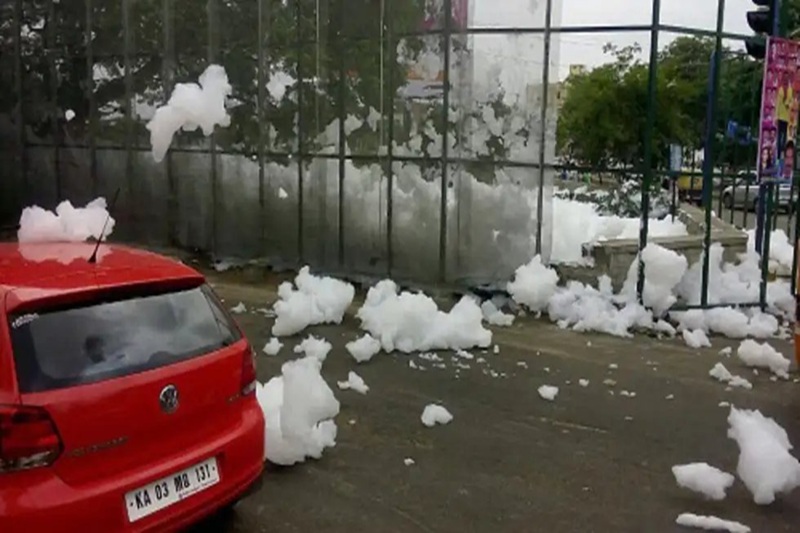
Foam becomes a traffic story when wind carries flakes to the edge and over spill points. In earlier foaming episodes, commuters reported spillover worsening on windy days near lake-side roads. - Fast Overflow At Inlets, Weirs, Or Narrow Outfalls
When lake levels rise quickly, froth concentrates at specific exits and crosses into streets. That’s when videos spread and agencies get pulled into response mode. ANI has posted clips of Bellandur spilling toxic foam after overnight rain, matching this overflow pattern.
The Social Media Moment That Signals “It’s Here”
Foam week usually becomes “real” for the wider city when a verified newsroom post goes up before lunch. It is not just the lake foaming; it is the foam reaching motorists, buses, and the road shoulder. Once that happens, jokes about “Bengaluru snow” trend, then quickly turn into complaints about stench, rashes, and why the fix still feels temporary.
A Practical Morning Checklist For Lake-Edge Commutes
If overnight rain was heavy, assume foam risk on lake-side bridges. Keep windows up, avoid parking near froth piles, and do not let children play on “white patches” near drains. If you ride a two-wheeler, carry a visor wipe and wash hands before eating. This is basic hygiene, but it matters.
FAQs
1. Why does lake foam rise after rain in Bengaluru?
Rain churns surfactant-rich sludge upward, forming stable bubbles that spread with wind and overflow.
2. Is froth only caused by factories near the lake?
Sewage detergents dominate; other discharges can worsen foaming, but household surfactants drive most events.
3. Which Bengaluru lakes are most linked to recurring foam weeks?
Bellandur and Varthur see frequent foaming after rain, especially near inlets and roadside weirs.
4. Can touching the froth cause health problems?
It may irritate skin and eyes; avoid contact, wash promptly, and keep pets away.
5. What reduces foam weeks long-term, not just temporarily?
Full sewage treatment, drain enforcement, sludge management, and reduced detergent discharge lower surfactant buildup.