When Arctic Permafrost Thaw Faster Than Expected: What Really Happens
See what happens when Arctic permafrost thaws faster than expected, releasing ancient carbon, reshaping landscapes, and amplifying global warming impacts worldwide.

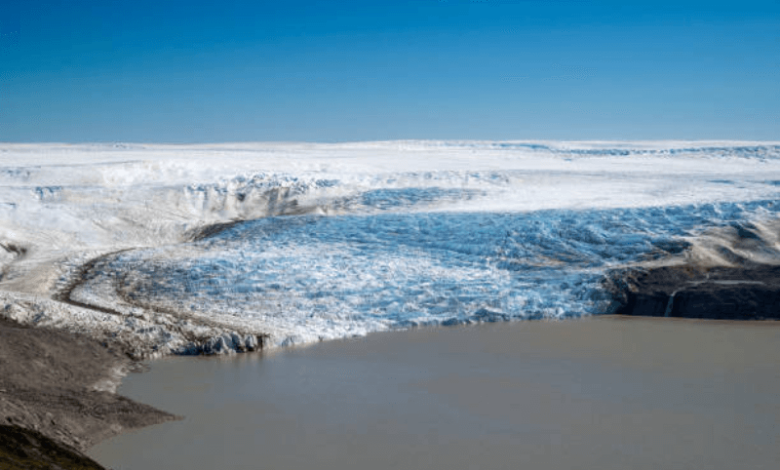
When thaw moves faster than expected, the Arctic stops acting like a freezer and starts acting like a leak. Permafrost has held ancient carbon for thousands of years, but warmer ground wakes microbes, expands fire damage, and releases more carbon dioxide and methane.
A NASA-backed assessment for 2000 to 2020 found the northern permafrost region was already a net contributor to warming in recent decades, with methane creating a strong near-term heating effect.
Why Rapid Thaw Becomes A Global Story
This is not a far-away Arctic problem now. NOAA’s Arctic Report Card 2024 says tundra shifts from carbon storage toward carbon dioxide emissions when wildfire losses are counted. The same report says circumpolar wildfire emissions have averaged about 207 million tons of carbon per year since 2003, and the Arctic remains a methane source.
It also reports very warm permafrost conditions in Alaska. NOAA’s 2025 update adds another warning: thaw is changing river chemistry across Arctic watersheds, which can degrade water quality and stress ecosystems people depend on. In short, faster thaw means a tighter feedback loop: more warming, more thaw, then even more warming.
The Trendiest But Most Serious Warning Signal
A story many people noticed recently is Alaska’s “orange rivers.” A 2024 Nature study covering 75 Brooks Range streams linked this discoloration to thaw-driven metal mobilization, with lower pH, higher iron and trace metals, and declines in fish and aquatic invertebrates. So this is not only a climate-model debate. It is now a public-health, food-security, and livelihoods issue, WMO on X (official)
FAQs
1) Is this only an Arctic issue?
No. Released carbon and methane amplify warming, affecting weather, seas, food systems, and economies everywhere.
2) Can permafrost thaw damage infrastructure?
Roads, pipelines, runways, and homes can tilt or crack as ice-rich ground collapses into thermokarst.
3) Why is methane such a big concern here?
Yes, because thawed soils and wetlands release methane, which traps much more heat in decades.
4) Why are orange rivers important?
Communities lose fish quality, water clarity, and reliable infrastructure while wildfire smoke worsens local health.
5) What should policymakers prioritize first?
Cut fossil emissions fast, expand Arctic monitoring, and fund local adaptation designed with Indigenous leadership.