How AQI Levels In Delhi Shape Traffic Curbs, Dust Rules, Daily Life
From GRAP alerts to dust rules, AQI levels in Delhi change rapidly. This guide breaks down triggers, responses, and what residents notice first.

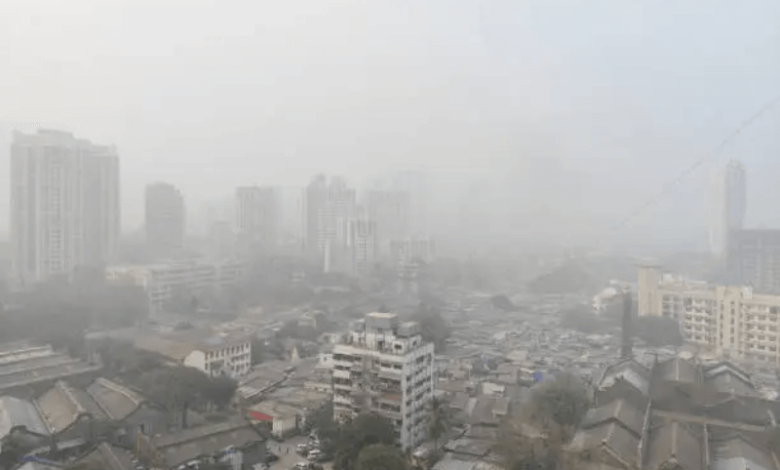
Delhi’s winter air can flip in hours: a clear morning, then a grey lid by evening. When AQI levels in Delhi jump, the city leans on quick, rule-based responses that hit dust, traffic, and construction before the next spike turns “very poor” into “severe”.
What Delhi Is Doing Right Now
The backbone is CAQM’s Graded Response Action Plan (GRAP), which turns curbs on and off by AQI category and forecast. In January 2026, CAQM invoked Stage III during a “very poor” stretch and later revoked it as conditions improved, citing CPCB bulletins and IMD outlooks.
At the same time, Delhi pollution control measures are getting more dust-heavy, because road dust and construction debris keep PM high even when traffic is stable. DPCC’s dust portal pushes simple site controls like covered material, wind barriers, wheel washing, and proper debris handling.
GRAP Curbs People Notice First
During harsher stages, expect tighter truck entry rules, limits on certain older vehicles, a pause on many construction activities, and stricter checks on diesel generator sets. CAQM’s own orders show how quickly the “stage” can change when AQI worsens.
There’s also a visible push on dust: Delhi has announced road works aimed at reducing exposed soil, and IGI Airport has added mist spray systems as a local dust-control step.
For a quick, shareable GRAP update, ANI’s official Instagram reel
What Residents And Businesses Can Do This Week
Use real-time maps before commuting, shift workouts indoors on bad-air days, and keep an N95/FFP2 mask for peak hours. If you run a site or fleet, focus on dust suppression and covered loads before inspections start.
FAQs
What triggers GRAP stages in Delhi-NCR?
CAQM triggers GRAP using CPCB AQI bulletins, forecasts, and rapid worsening trends across NCR areas.
Who enforces dust rules at construction sites?
DPCC and local bodies inspect sites, use the dust portal checklist, and issue penalties quickly.
Do mist sprinklers and anti-smog guns really help?
They reduce local dust temporarily, but source control and enforcement deliver bigger sustained gains overall.
What should schools and parents do on severe days?
Follow government advisories, limit sports, use masks, keep inhalers ready, and watch asthma symptoms closely.
How can commuters reduce exposure during peak smog?
Travel mid-day when possible, keep windows shut, use recirculation mode, and wear N95 masks properly.