CO₂ Sponge Mystery Deepens: Antarctica Carbon Shock Research Explained
New insights behind the Antarctica Carbon Shock show shifting CO₂ absorption, raising questions about how Earth’s natural sponge behaves under rapid environmental change.

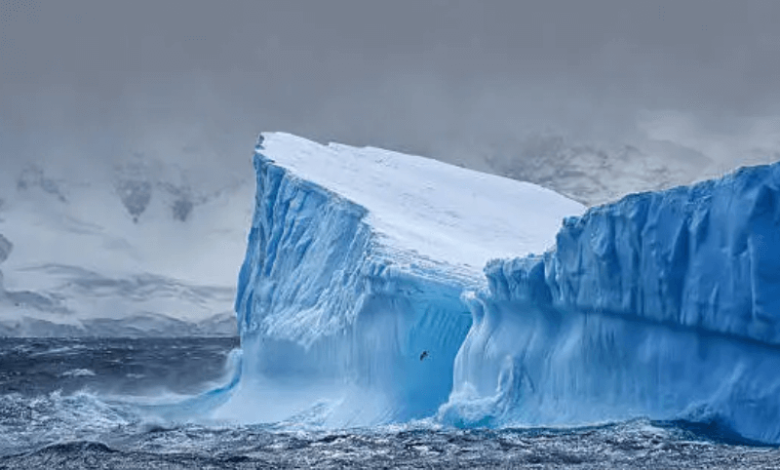
The ocean around Antarctica is usually described as a giant “CO₂ sponge”, soaking up carbon and slowing warming. The shock is that the sponge does not work the same way every season, and new tools are revealing swings we used to miss. That matters because the Southern Ocean is one of the planet’s biggest carbon gateways, moving CO₂ from the surface into long-term storage in the deep, and quietly buying us time.
What Scientists Are Learning About The Southern Ocean’s CO₂ Mood Swings
One headline is measurement. A 2024 study using direct air–sea flux observations reported the waters around Antarctica absorb about 25% more CO₂ than earlier indirect estimates based largely on ship data.
That sounds like good news, but the next finding complicates it: a 2025 Science Advances analysis using satellite LiDAR and machine learning suggests wintertime CO₂ outgassing south of 50°S was underestimated, so the “sponge” can look stronger on paper while still leaking more in the harshest months.
Why Fresh Meltwater Can Hide A Problem
A 2025 Nature Climate Change paper argues that freshening at the surface can “cap” deep, carbon-rich waters, temporarily stalling CO₂ release. But if stratification weakens later, the stored carbon and heat mix upward more easily.
The Sea-Ice Plot Twist That Could Hit The Sink
Researchers also warn that rapid Antarctic sea-ice changes can disrupt circulation and phytoplankton, trimming the ocean’s ability to keep drawing CO₂ down over time.
Bottom line: if Antarctica’s carbon sink gets jumpier, carbon budgets shrink and warming risks rise faster than expected.
FAQs
Why is the Southern Ocean called a CO₂ sponge?
Because cold waters dissolve more CO₂, then currents push it downward for long storage often.
What does “carbon shock” mean here?
It’s a shift where the Southern Ocean absorbs less CO₂ or vents more than expected.
How does sea ice affect carbon uptake?
Sea-ice loss changes light and nutrients, weakening phytoplankton blooms that pull carbon down each season.
What data is missing most right now?
More winter observations, better satellites, and sustained ship campaigns are needed across Southern Ocean seasons.
What happens if the sink weakens long-term?
A weaker sink means higher atmospheric CO₂, faster warming, and tougher emissions targets for everyone.