Climate Alarm: New Study Warns Amazon Trees May Not Survive
Scientists say Amazon trees may not survive accelerating climate change as repeated heat waves and droughts weaken forest growth and carbon storage capacity.

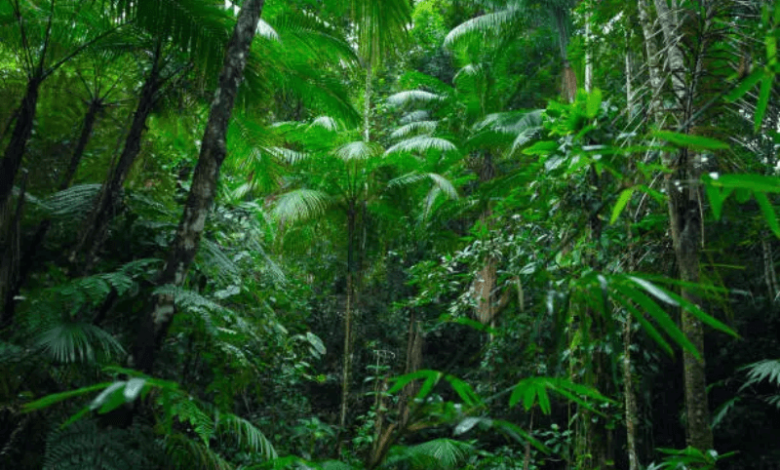
People living near the Amazon know the heat has started arriving early, and it hangs around longer. Clothes stay damp. The air feels thick, like a warm breath. A new climate change study warns Amazon trees may not cope with this pace, raising fresh concern about Amazon rainforest climate change and Amazon trees survival.
Why the Amazon Rainforest Matters to the Global Climate
The Amazon is not a pretty backdrop. It is a working system that shifts water, heat, and carbon across a huge region. Tree canopies push moisture upward, then clouds move it across the basin. That cycle keeps rain falling, not only inside the forest but also across parts of South America that rely on stable seasons.
That matters in daily life. Farmers plan sowing dates. River communities plan travel and fishing. City residents deal with the smoke season when forests dry out and fires spread. And on the climate side, living trees store carbon in trunks, roots, and soil, year after year. Lose enough of them, and the maths turns ugly.
Key Findings From the New Study on Amazon Tree Survival
The new study flags a worrying pattern. Heat and dryness are stacking together, not arriving as separate problems. Hotter air pulls more moisture out of leaves and soil. Dry spells stretch longer. And trees that evolved for steady wet conditions get pushed into stress, again and again, with less recovery time.
Researchers point to rising “hot drought” conditions. That means drought paired with high temperatures, the kind that can damage the internal plumbing of trees. When water columns break inside a tree, parts of the canopy stop functioning. Growth slows. Leaves drop. Some trees never bounce back.
How Rising Temperatures Are Pushing Trees Beyond Survival Limits
Temperature looks simple on a chart, but on the ground it feels brutal. Midday heat builds, then it sticks into evening. Nights do not cool as they used to. That matters because trees recover at night, repairing tissue and balancing water loss.
Heat also changes the forest’s behaviour. Trees open tiny pores on leaves to take in carbon dioxide. In very hot conditions, they keep those pores closed to avoid losing water. Carbon intake drops. Photosynthesis dips. Growth slows. This is not drama, just plant physiology doing what it can.
And yes, a small rant fits here. Climate talk still gets treated like a future problem. The forest already deals with it daily.
The Impact of Longer and More Intense Droughts in the Amazon
Drought is not only “less rain”. It changes the smell of the forest. Leaf litter gets crisp. Streams shrink. The air carries more dust. In many areas, the dry season has been stretching, and that shift chips away at the rainforest’s margin of safety.
Long droughts hit big trees hard. Large trees hold most of the forest’s carbon, and they also need a steady water supply to support tall canopies. When drought lasts longer, deep roots help, but only up to a point. Once soil moisture drops too far, even deep roots find little.
Dry forests also burn easier. Fires can move along the ground and climb into the canopy. After that, damaged areas struggle to recover, and the next dry season arrives before regrowth settles.
Why Many Amazon Tree Species Cannot Adapt Fast Enough
Trees adapt slowly. Some species can handle dryness better than others, but shifting an entire ecosystem takes time measured in decades or centuries. Climate stress is moving faster than that.
A practical example shows the issue. In a healthy year, a tree invests energy in new leaves, flowers, and roots. In repeated hot drought years, that same energy goes into survival mode: closing pores, shedding leaves, reducing growth. So even if a tree stays standing, it becomes weaker, less productive, and more likely to die in the next extreme spell.
Species migration is also limited. Seeds do not travel neatly to cooler zones. Forest patches are broken by roads, farms, and cleared land. So the “move to safer climate” idea often fails on real maps.
What Tree Loss Means for the World’s Carbon Balance
Tree loss changes the carbon story in two ways: less storage and more release. Dead wood breaks down and releases carbon. Fires release it quickly. Meanwhile, fewer healthy trees remain to absorb carbon each season.
A simple view helps:
| Change in the forest | What happens next | Climate effect |
| Higher tree death | More decay and damage | More carbon released |
| Slower growth | Less carbon stored yearly | Weaker carbon sink |
| More fires | Fast emissions + soil loss | Added warming risk |
If this pattern spreads, the Amazon’s long-held role as a carbon sink weakens. That is the big fear sitting behind the headlines.
How Human Activity Accelerates Climate Stress in the Amazon
Climate pressure does not arrive alone. Deforestation and forest fragmentation worsen heat and dryness near forest edges. Open land heats faster than dense canopy. Winds move deeper into the forest. Moisture escapes.
And then there is fire use. Burning for land clearing can escape into nearby forest during dry months. Once fire enters, it changes soil structure and kills seedlings. Recovery slows, and repeated fire can shift the area into a different type of vegetation, less dense, less humid, less stable.
This is the part that frustrates many observers. Nature takes time to grow. Damage can happen in one season.
Scientists Warn of Approaching Ecological Tipping Points
Scientists use “tipping point” to describe a line that, once crossed, becomes hard to reverse. In the Amazon context, it can mean a shift away from rainforest conditions toward a drier system that cannot support the same tree cover.
The warning is not that every tree will vanish at once. It is that repeated stress can push large regions into decline, patch by patch. Once the canopy breaks and rainfall drops, the cycle feeds itself. Less canopy leads to less moisture. Less moisture leads to more heat and drought. And the loop tightens.
FAQs
1) What does the new study say about Amazon rainforest climate change in simple terms?
It says heat plus drought is increasing, and many Amazon trees may fail under repeated stress.
2) Why does Amazon tree survival matter outside South America?
Because tree loss can reduce carbon storage and alter rainfall patterns that influence global weather systems.
3) Do all Amazon tree species face the same risk?
No. Some species tolerate dryness better, but many rainforest specialists struggle in hotter, longer dry seasons.
4) How does deforestation make drought impacts worse inside the forest?
Clearing creates hotter edges, more wind, lower humidity, and easier fire spread into nearby forest areas.
5) What is an ecological tipping point in the Amazon context?
It is a threshold where rainforest conditions collapse in regions, shifting toward a drier system that resists recovery.