Planet Impact: What Savannization of the Amazon Might Bring
Scientists warn the Amazon shifting toward savannization could reshape rainfall, ecosystems, and global climate patterns. Explore what this transformation may signal.

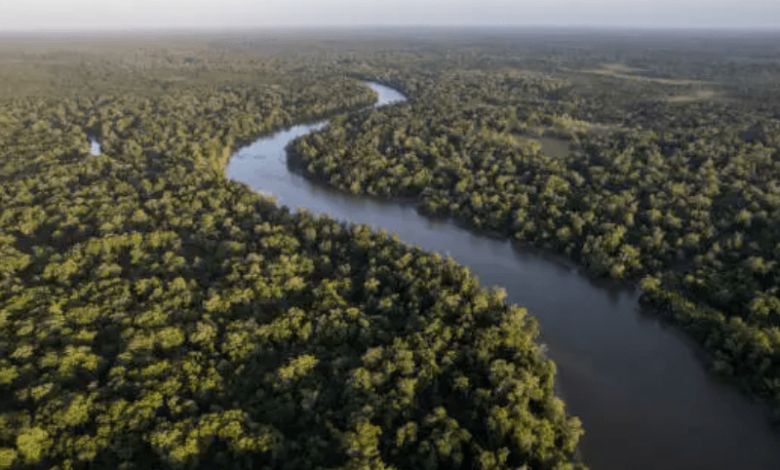
The Amazon is not just “a big forest.” It works like a living water pump and carbon vault, and its stability affects weather well beyond South America. “Savannization” is the fear that, under heat, drought, fires, and clearing, parts of the rainforest could flip into a drier, more open, fire-prone landscape that functions more like a savanna than jungle. Researchers increasingly describe this as a “tipping” risk, where change accelerates once key thresholds are crossed.
Why A Forest Turning Patchy Changes Everything
The Amazon recycles moisture through evapotranspiration, helping generate its own rainfall. When trees cover things, less water returns to the air, dry seasons stretch, and fires become easier to start and harder to stop, creating a self-reinforcing loop.
A major study on “critical transitions” argues that compounding stress from warming, drought, deforestation, and fire is already pushing parts of the system toward instability.
The Carbon And Water Shockwave
A degraded Amazon stores less carbon and can emit more as trees die and burn, adding to global warming. A long-running drought experiment in Brazil found that sustained rainfall reduction led to large-tree mortality and a major drop in biomass and stored carbon, with plots temporarily behaving like carbon sources.
Meanwhile, weaker “rain recycling” can disrupt rainfall that supports farming, hydropower, and city water supplies across the region.
Why 2024–2025 Felt Like A Warning
Recent drought-and-fire seasons have kept the story in the spotlight, alongside reporting on long-term drying trends. Nature’s official account summed up the concern bluntly: rainforest dieback could mean a shift toward savanna. If savannization spreads, the planet takes a double hit: faster warming and a weaker rainforest-driven water cycle.