
Brazil’s Amazon Protection Push in 2026: Is Deforestation Really Falling in Pará?
Discover the reality of Brazil's Amazon protection 2026 push. Are rates of deforestation in Para truly falling ahead of the upcoming COP30 summit?

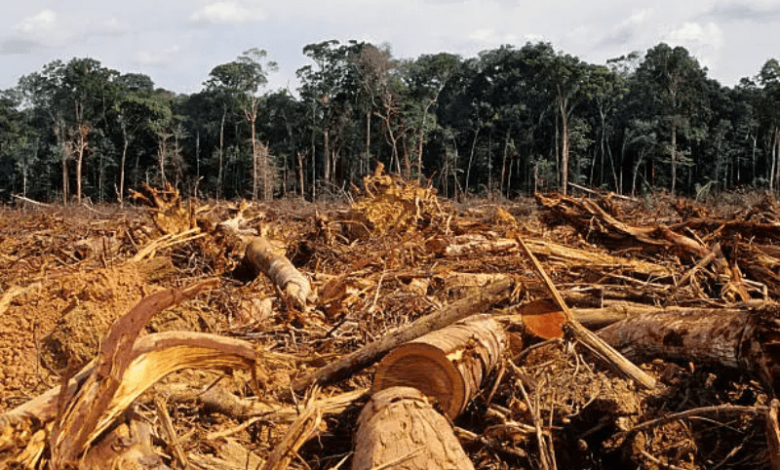
As the world turns its attention to Belém for the COP30 summit, global scrutiny is focused heavily on the effectiveness of Brazil environmental policies. Government has over the last few years waged war on illegal logging, criminalized unofficial clearing of land and controlled agricultural development. However, what does the data actually reveal about the situation on the ground?
Assessing the Reality of Deforestation in Para
Although national statistics boast that the Amazon deforestation rate is reduced by 11 percent on the whole through the end of the 20252026 campaign, the situation at the state level is much more complicated. The Parana state is a highly controversial territory that is still in critical condition. It is true that positive development has been achieved in particular areas, but local deforestation continues in the risky areas such as Triunfo do Xingu Environmental Protection Area.
The local biodiversity and the Indigenous livelihoods are still at risk due to cattle ranching, illegal mining activities, and illegal grabbing of land. Addressing this persistent deforestation in Para requires moving beyond simple federal mandates. It requires strong, domesticated implementation, open supply chain policies, and socioeconomic reformation to offer alternative livelihoods. As an example, the Human Rights Watch organization recently brought into limelight the disastrous consequences of the illegal cattle ranching activity on the indigenous rainforest habitats and the local communities who rely on the habitats.
The Roadmap for Amazon Protection 2026
To counter these regional setbacks, the Brazilian government is rapidly accelerating its Amazon protection 2026 agenda. Permanently changing the financial incentives, the authorities are seeking to stabilize the financial incentives by attracting international investments, establishing the Tropical Forests Forever Facility (TFFF), and cooperating with the global leaders during the recent UN COP30 climate negotiations. The objective is simple to make standing forests more economically desirable than pastures that have been cleared.
Will Brazil Environmental Policies Succeed?
Looking ahead, the long-term success of these updated frameworks depends entirely on sustained boots-on-the-ground enforcement and strictly regulated global supply chains. If the nation can effectively implement high-tech traceability for cattle and strictly enforce zero-deforestation commitments within commercial markets, the Amazon basin might finally see a permanent, enduring reversal in forest degradation.
FAQs
1. Are Brazil environmental policies actually reducing deforestation?
Yes, on a national level. Recent data shows an 11% overall drop in Amazon deforestation, though specific hotspots still struggle with illegal land clearing and require stricter localized enforcement.
2. What is the main cause of deforestation in Para?
The primary driver of deforestation in Pará is illegal cattle ranching, heavily fueled by pasture expansion, land grabbing, and sometimes illicit mining activities.
3. What is the primary goal of the Amazon protection 2026 agenda?
The agenda aims to reach zero illegal deforestation by fully leveraging international finance mechanisms (like the Tropical Forests Forever Facility), tightening supply chain traceability, and bolstering Indigenous land rights around the COP30 summit.