When The Mediterranean Moves Inland: Alexandria’s Coastal Aquifer Challenge
Alexandria faces growing saltwater intrusion as sea levels rise. Discover how coastal aquifers, soil stability, and urban infrastructure are slowly changing underground.

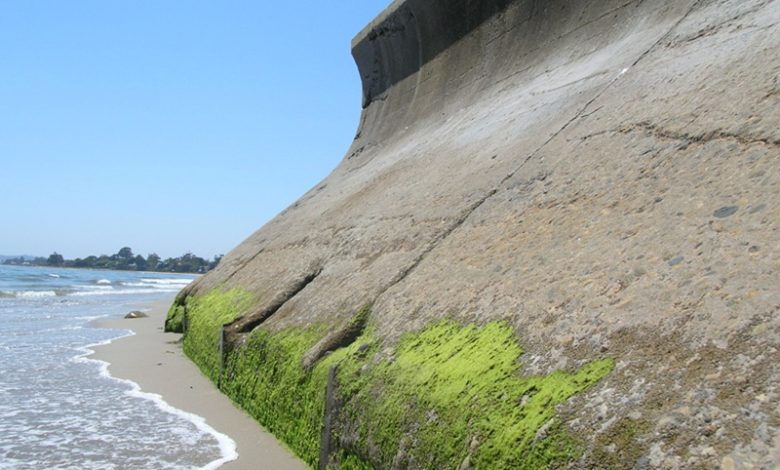
Alexandria is often pictured as a city of sea breeze, old balconies, and long Mediterranean light. But the sharper climate story is happening below street level. As sea levels rise and the shoreline shifts inland, saltwater is moving into the sandy ground and shallow coastal aquifers beneath the city. That matters because aquifers are supposed to hold fresh groundwater.
Once seawater starts mixing in, the water gets saltier, the soil chemistry changes, and the ground can become less stable for buildings, roads, and buried infrastructure. In Alexandria, that is no longer a distant warning. It is showing up in cracked walls, weakened foundations, and a growing sense that the city’s edge is being redrawn from below.
How Rising Seas Push Salt Into Alexandria’s Underground Water
A coastal aquifer normally works like a balance. Fresh groundwater flows seaward and helps keep heavier seawater from moving inland. The problem starts when that balance weakens. The U.S. Geological Survey explains that saltwater intrusion happens when seawater moves into freshwater zones laterally from the coast or rises vertically near wells, especially when freshwater pressure drops. Higher seas make that pressure difference worse, and groundwater pumping can speed it up further.
That is why Alexandria has become such a watched case. Reuters reported in July 2025 that warming Mediterranean waters, coastal erosion, and saltwater seeping through the city’s sandy substrate are undermining buildings from below. The same report said Alexandria’s coastline has receded by an average of 3.5 metres a year over the past 20 years, while around 40 buildings now collapse each year, up from roughly one annually a decade earlier.
USC researchers connected those collapses directly to rising seas and seawater intrusion. Their February 2025 findings described a sharp increase in structural failures across the ancient port city, showing that damage is not only about dramatic flooding at the shoreline. It is also about the slow inland migration of salt through porous ground. That is what makes Alexandria’s problem so unsettling: the sea does not need to visibly flood every block to start changing the city.
Why The Aquifer Problem Hits Buildings, Not Just Water Supplies
When people hear “saltwater intrusion,” they often think first about drinking water. That risk is real, since intrusion can make groundwater unsuitable for use. But in Alexandria, the story also turns geological. Saltier groundwater can alter soil moisture and weaken the load-bearing conditions beneath structures. Reuters described residents seeing renovations fail within weeks and cracks reopening fast, a sign that the issue is deeper than surface wear.
There is a wider climate angle too. NASA said global mean sea level still rose in 2025, even though the annual increase was temporarily muted by La Niña rainfall patterns. NASA also noted that the long-term rate of sea level rise since the early 1990s remains upward and accelerating over decades. For Mediterranean cities like Alexandria, that means a brief slowdown does not remove the long trend pressing against coasts and aquifers.
Why Alexandria Keeps Showing Up In Climate Conversations
Alexandria stands out because it combines age, density, and exposure. Reuters said the city’s 70-kilometre coastal zone was identified in the February report as the most vulnerable stretch in the Mediterranean basin, and Egyptian authorities have responded with submerged breakwaters, beach nourishment, demolitions of unsafe buildings, and plans for replacement housing.
FAQs
1. What Is Saltwater Intrusion In Simple Words?
It means seawater moves into freshwater underground, making coastal aquifers saltier and less useful over time.
2. Why Is Alexandria So Exposed To This Problem?
Its low coast, sandy ground, erosion, subsidence, and rising Mediterranean waters create constant underground pressure.
3. Does Saltwater Intrusion Only Affect Drinking Water?
No, it also weakens soils, damages foundations, harms infrastructure, and raises long-term urban repair costs.
4. Are Officials In Egypt Responding To The Threat?
Yes, authorities are adding barriers, replenishing beaches, demolishing unsafe buildings, and planning replacement housing.
5. Can This Happen In Other Coastal Cities Too?
Yes, any low-lying coastal city with aquifers can face similar risks as seas rise globally.