Why Akola Is Heating Up So Early: Tree Loss, Dust And The Urban Heat-Island Effect
Akola’s unusually early heat spike is linked to tree loss, dust pollution, and urban expansion, intensifying local heat-island effects.

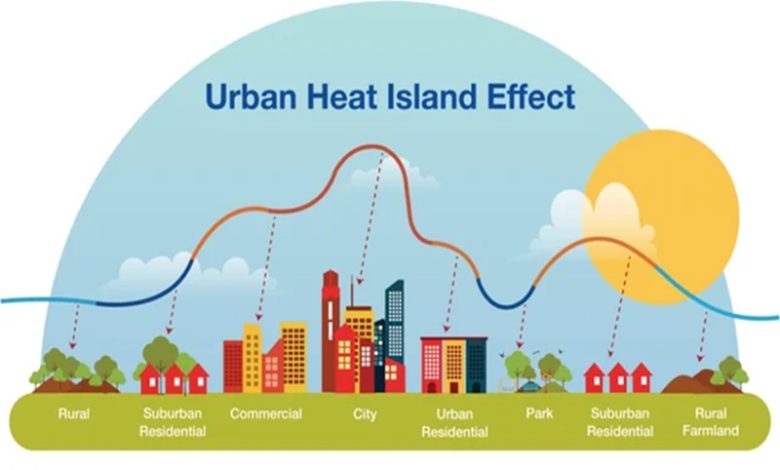
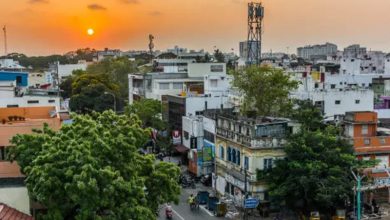
Akola does not usually need much help becoming one of India’s hottest places, but this March the city heated up unusually fast. In the first half of the month, Akola repeatedly crossed the 40°C mark, even touching 40.8°C to 41.0°C on some of the hottest days, while IMD bulletins also recorded Akola among the highest maximum temperatures in the country in early March. That is the kind of heat many people expect in April or May, not at the very start of summer. The bigger worry is that local experts are not treating this as weather alone. They are linking it to tree loss, vanishing water bodies, rising dust, and the urban heat-island effect that keeps built-up areas hotter than their surroundings.
Why The Early Heat Is Raising Alarm
The sharp rise was visible day by day. A Times of India report said Akola’s maximum climbed from 36.6°C on March 1 to 40.9°C by March 8, making it the hottest place in India on more than one day that week. IMD’s regional and city bulletins support the same pattern, with forecasts for Vidarbha in early March pointing to a gradual rise in maximum temperatures and local Akola observations later in March still showing unusually hot conditions even after temporary weather relief. That matters because early heat stretches the season longer and raises health, water, and farm stress before peak summer has even begun.
Tree Loss And Vanishing Water Bodies Are Part Of The Story
What makes the Akola conversation different is that scientists are talking about local land changes, not only climate change in the abstract. Experts from Dr Panjabrao Deshmukh Krishi Vidyapeeth told TOI that deforestation, shrinking water bodies, and increasing urbanisation are reducing the district’s natural cooling systems. Trees cool streets through shade and evapotranspiration. Ponds and open soil help moderate land temperatures. Once those buffers disappear, concrete, exposed ground, and heat-retaining surfaces start dominating the microclimate. Maharashtra’s own climate and health planning also identifies parts of the state, including Vidarbha, as highly vulnerable to worsening heat stress.
Dust Is Making The Heat Feel Worse
Dust is getting less attention than temperature, but it matters. The same Akola report linked dust pollution to rising ground-level heat retention. That fits the lived reality of many fast-growing Indian cities: road dust, exposed construction surfaces, sparse vegetation, and dry conditions combine to make afternoons feel harsher than the raw temperature number suggests. Dust also signals a landscape with less moisture and less cover. When that is layered onto built-up surfaces, the urban heat-island effect gets stronger. This is not just a comfort issue. It shapes how quickly roads, walls, rooftops, and neighbourhoods absorb and radiate heat.
The Urban Heat-Island Effect Is No Longer A Big-City Problem Only
Akola’s case is a reminder that the urban heat-island effect is not limited to megacities like Mumbai or Delhi. Maharashtra’s climate documents explicitly note that urban areas already experiencing this effect will see added pressure as temperatures rise. In Akola, the ingredients are visible: fewer trees, hotter built surfaces, dust, weaker local cooling, and growing demand for artificial cooling such as air conditioners, which experts also flagged in the recent reporting. Even the brief storm-and-rain break this week only underlined the point. IMD said Vidarbha’s temperatures could dip temporarily because of thunderstorms, but the respite was expected to be short-lived, with heat likely to build again after March 21.
What Akola’s Heat Story Is Really Warning About
Akola is not heating up early because of one factor. It is heating up because regional climate stress is colliding with local land-use choices. The warning is plain: if green cover keeps thinning, dust remains unmanaged, and natural cooling spaces keep shrinking, cities like Akola will start feeling peak-summer heat earlier and more brutally. What looks like an early hot spell may actually be a preview of how normal summer is being rewritten.
FAQs
Why did Akola heat up so early this year?
Early March temperatures rose unusually fast due to regional heat, urbanisation, and weaker natural cooling.
How hot did Akola get in early March?
Akola crossed 40°C repeatedly and touched around 40.8°C to 41.0°C on peak days.
How does tree loss worsen city heat?
Fewer trees mean less shade and less evapotranspiration, so streets and buildings heat faster.
Why is dust part of the heat problem?
Dust reflects land degradation, traps heat near surfaces, and often comes with reduced moisture.
Is Akola facing an urban heat-island effect?
Yes, experts link built surfaces, tree loss, dust, and urban growth to rising local heat.