Air Quality Worsens in Major Cities: Growing Health Risks and Urgent Need for Action
Air quality deteriorates in large cities, exposing people to such health risks as asthma or heart disease. Understand what causes, effects and how to keep safe.

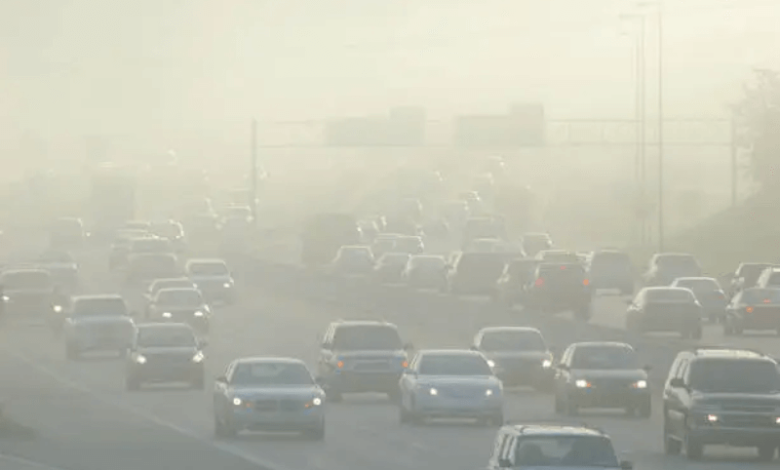
The quality of air becomes worse in big cities of the world, and it makes pollution a severe issue of national health. The high rate of urbanization, industrialization, increased motor vehicle emissions and seasonal weather patterns have led to increase in pollution levels, which are well beyond the safe levels of pollution levels, particularly in areas such as the Indo-Gangetic Plain which are densely populated. When the quality of air decreases in large cities, humans are exposed to such dangerous pollutants as PM2.5 penetrating deep into the lungs and blood. It is a silent killer that poses the risk of respiratory diseases, cardiovascular diseases, and neurological conditions, as well as untimely death, which makes clean air one of the global priorities.
Air Quality Worsens in Major Cities: A Growing Crisis
In my opinion, nowadays, the quality of the air in big cities is deteriorating because of the interplay of human activities and environmental factors. The major pollutants of urban air are fine particulate matter, nitrogen dioxide, sulfur dioxide and ground-level ozone. The PM2.5 is particularly harmful as it may go around natural body defense and impact even essential organs. Even in healthy persons, irritation of the eyes, throat, and lungs may be experienced when the quality of the air in the major cities deteriorates whereas in the long term exposure to the same results in chronic diseases.
Major Health Concerns Linked to Air Pollution
Increased health effects are widespread and devastating when the quality of air in large cities is increased. The respiratory diseases, including asthma, COPD, bronchitis, and pneumonia, are increased. Even non-smokers are also at risk of lung cancer because of long-term exposure that weakens the lung capacity of a child.
Problems are also closely connected to cardiovascular. Air pollution leads to inflammatory and oxidative stress, which increase the risks of hypertension, myocardial infarction, stroke, and atherosclerosis. Scientific studies have also indicated that as the quality of air in large cities declines, neurological health status also declines, with increased chances of cognitive impairment, developmental retards in children, and dementia in the elderly.
Impact on Maternal and Child Health
Major cities deteriorate in terms of air quality that has severe impacts on pregnant women and babies. During pregnancy, it is linked with preterm births, being underweight at birth and the increased infant mortality rate. Children who are brought up in polluted surroundings experience poor growth of their lungs and become more vulnerable to infection.
Vulnerable Populations at Higher Risk
Even though all people are exposed to air quality deterioration in large urban areas, some groups are more exposed to this threat. They are children, the elderly, pregnant women, outdoor workers, and low-income groups that tend to live nearer to pollutants and cannot afford to receive quality healthcare.
Causes and Practical Mitigation Measures
Vehicle emissions, industrial pollution, construction dust, fossil fuel burning and biomass use are the primary causes of air pollution in big cities. The weather conditions such as winter temperature inversion traps the pollutants and aggravates smog.
To mitigate individual risk, check the level of AQI with the help of credible applications, spend less time outdoors during the high pollution days, the quality of indoor air with the help of HEPA purifiers, use the N95 masks outdoors, and visit a doctor in case of persistent symptoms.