
What’s Causing Ahmedabad’s Hotter Nights: Why Minimum Temperatures Now Matter For Heat Stress
Ahmedabad is seeing warmer nights as minimum temperatures rise. Discover how urban heat, humidity, and climate shifts are increasing night-time heat stress risks.

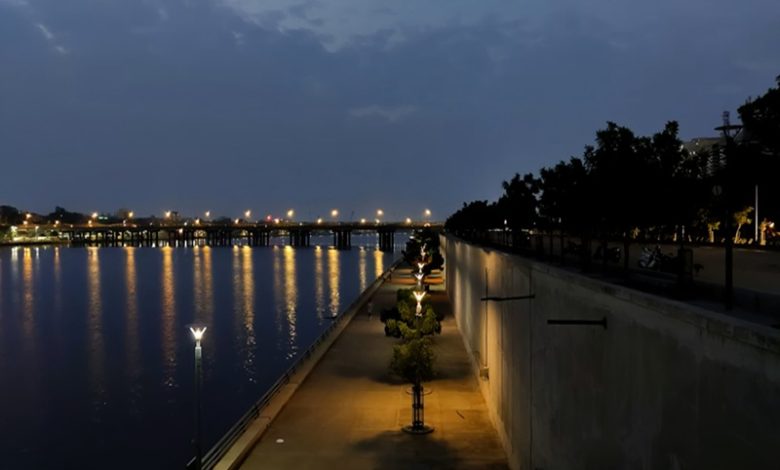
If you live in Ahmedabad, you’ve probably felt it: the day is hot, sure, but the night doesn’t really cool down the way it used to. That “relief window” has started shrinking, and it changes how heat stress builds up in the body. In early March 2026, the IMD’s Ahmedabad observations showed a minimum around 22.5°C (about 5°C above normal) alongside a very hot daytime peak, which is exactly the kind of pattern that makes nights feel sticky and tiring.
Why Ahmedabad’s Minimum Temperatures Are Climbing And Why That Hits Harder Than You Think
1) The city is holding heat like a sponge (Urban Heat Island)
As Ahmedabad expands, more dark roofs, asphalt roads, and dense built blocks soak up heat through the day and release it slowly after sunset. Trees and open soil cool faster; concrete doesn’t. So the city “bleeds” warmth into the night, keeping minimum temperatures elevated even when the sun is long gone.
2) Weather patterns can trap warmth overnight
IMD-linked synoptic conditions (like circulations and troughs) can reduce night-time cooling by changing winds and moisture, and by keeping the lower atmosphere mixed in a way that stops temperatures from dropping normally. Local reports this week flagged warm nights with minimums staying well above typical February/March baselines.
3) Humidity turns warm nights into stressful nights
Even if the minimum temperature doesn’t look extreme on paper, moist air makes it harder for sweat to evaporate. That means your body can’t dump heat efficiently. You end up waking up dehydrated, with a faster pulse, dull headache, or that “hungover” heat fatigue feeling.
4) Warm nights remove recovery time, which is where the danger sits
Heat risk isn’t only about the maximum temperature. It’s also about how long your core temperature stays elevated. Research and policy groups in India have been warning that warm nights are rising faster than very hot days in many places, increasing cumulative exposure.
The Hidden Health Problem: No Night-Time “Reset” Means Higher Heat Stress
Here’s the part most people miss: a hot afternoon is rough, but a hot night is what breaks routine recovery. With poor cooling overnight, the body keeps working to regulate temperature during sleep, which strains the heart and worsens fatigue the next day.
Ahmedabad’s own heat-risk work has repeatedly underlined that night temperatures matter for health outcomes. In a Gujarat-focused piece, heat researchers pointed out that when nights stay hotter, mortality risk can rise even if daytime heat looks similar.
What People Are Noticing On The Ground (And Why It’s Trending)
You can see it in small signals: AC sales spikes before peak summer, power demand stretching later into the night, and morning runners shifting even earlier because “7 am feels like 9 am.” During recent heat seasons, Ahmedabad also saw sharp jumps in heat-related emergency calls and heatstroke cases, which adds urgency to why minimum temperatures deserve attention, not just the day’s high.
Ahmedabad isn’t starting from zero, though. The city’s Heat Action Plan model has long focused on early warnings and health-system readiness, and it’s still one of India’s best-known playbooks for urban heat response.
FAQs
1. Why do warmer nights feel worse than hot afternoons?
Warm nights block body cooling during sleep, causing cumulative heat strain and fatigue the next day.
2. Is minimum temperature a better heat-risk signal than maximum temperature?
Not better alone, but critical because it shows recovery potential after daytime heat exposure.
3. Who is most at risk during hot nights in Ahmedabad?
Older adults, infants, outdoor workers, and people with heart, kidney, or diabetes conditions.
4. What’s one quick step to reduce night-time heat stress?
Hydrate early, ventilate rooms, use light bedding, and avoid late-night alcohol or heavy meals.
5. How can cities reduce hot-night intensity long-term?
Increase shade trees, cool roofs, reflective streets, and protect breezeways that aid cooling.