
Why Adelaide Floods So Quickly: Drain Limits And Six-Hour Rain Data
Find out why Adelaide faces rapid flooding as six-hour rain spikes exceed drain capacity, triggering sudden road inundation and swift runoff across low-lying areas.

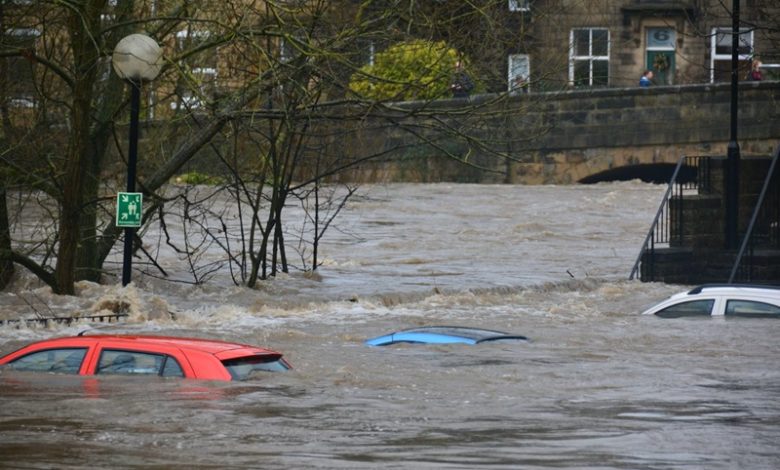
Adelaide can look calm, then flip in minutes. When a humid tropical air mass drops short, intense bursts, the city’s hard surfaces shed water instantly, and low points fill before you’ve finished a coffee.
The Quick-Flood Recipe In Adelaide’s Streets
Forecasters warned six-hour totals of 30–70 mm were likely, with 24-hour totals 40–80 mm and isolated 120 mm possible as the rain band pushes south. The SES has also been pushing “prep now” basics like clearing gutters and drains ahead of Sunday’s peak for metro Adelaide. Official post by X.
Here’s why roads become rivers: kerb-and-gutter networks are built to carry “minor” storm flows, but when rainfall intensity spikes, inlet grates can’t swallow water fast enough, especially when leaves and grit mat over them after a dry, windy spell. Once pipes surcharge, the street becomes the overflow channel, and water follows camber and crossfall to the nearest dip, underpass, or creek crossing.

Drain Limits, Not Just Rainfall
Australian drainage practice sizes pits, pipes, and road drainage to design probabilities (AEP), accepting that rarer storms will overtop into planned overland paths. That’s smart engineering, but it can turn your commute into the “designed” overflow route when a thunderstorm parks over one catchment.
The “Six-Hour” Clue You Can Watch
Six-hour totals matter because they match the window where pits clog, pipes fill, and creeks respond together. If warnings mention locally intense rain plus those six-hour numbers, expect rapid ponding on arterial roads and fast-rising gully lines.
FAQs
1. What rainfall amount can trigger flash flooding in Adelaide?
Even 20–30 mm in an hour can overwhelm pits when runoff concentrates in low spots.
2. Why do underpasses flood first?
They sit below surrounding grades, so overflow channels funnel water there before drains recover often.
3. Do stormwater drains have a maximum capacity?
Yes, pits and pipes are sized for design storms, not every rare sudden cloudburst event.
4. Does clearing gutters really help?
Clearing leaves stops inlet blockage, reducing street ponding and keeping roof water away from walls.
5. Where should I check warnings and road closures?
Use BOM warnings, SES updates, and live road reports before travelling during severe rainfall always.