
Quick Storm Bursts And Adelaide Flash Flood Warnings Explained
Adelaide flash-flood alerts are rising as short-burst rain overwhelms suburban drains. Learn how intense storms quickly flood streets and why warnings now appear more often.


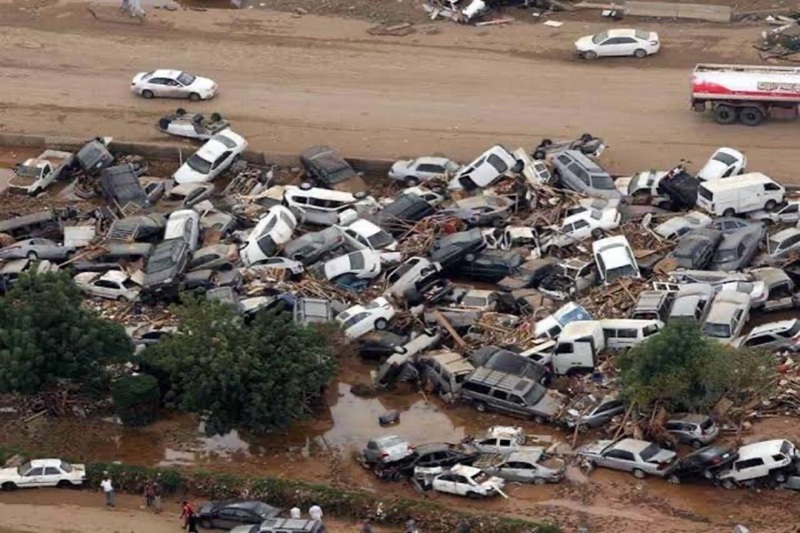
Adelaide does not need an all-day downpour to trigger urgent flash-flood warnings. A short, intense burst of rain can be enough. That is because flash flooding is less about total rainfall over a whole day and more about how fast the water falls, how quickly hard surfaces shed it, and whether local stormwater drains can keep up. The Bureau of Meteorology says flash floods often come from short, intense rainfall, usually during thunderstorms, and are especially dangerous in urban areas where drainage systems may not cope.
Why Short-Burst Rain Hits Adelaide Suburbs Fast
When heavy rain lands over built-up suburbs, water does not soak in the way it might over open ground. Roads, roofs, car parks, driveways, and paved backyards push runoff straight into gutters and pits. SA SES notes that flash flooding is more likely in urban areas because large areas of roofs and roads make water run off quickly. That is why one suburb can go from wet streets to dangerous ponding in minutes, even while another nearby suburb gets far less impact.
Why Drains Become The Weak Point
Stormwater systems are built to move water away, but they have limits. If rainfall arrives too hard and too quickly, pits and drains can back up before water clears. The recent South Australian flood warnings also came with repeated advice to clear gutters and unblock drains so rainwater can flow properly. That detail matters because flood damage in suburbs often starts with ordinary choke points: leaf-filled grates, blocked downpipes, low driveways, and sagging streets that trap runoff.
Why Warnings Can Multiply So Quickly
BOM explains that flash floods are very local and difficult to warn of because they develop rapidly. A Flood Watch may be issued days ahead for a broader risk, but suburb-level danger can still escalate much closer to the event. In late February 2026, Adelaide faced forecasts of intense rain and possible life-threatening flash flooding, with SES distributing sandbags and officials warning households to prepare before the heaviest burst arrived.
What Recent Adelaide Weather Tells Us
Recent reporting showed Adelaide was facing the chance of one of its wettest days in years, with authorities warning that even 100 millimetres in the right setup could create major suburban flooding. Officials specifically told households to clear gutters, unblock drains, and rethink travel through low-lying areas.
That is the real reason warnings seem to surge: the danger rises sharply when a dry spell, hard urban surfaces, and a sudden high-intensity rain burst meet at once. For live official updates, BOM has also posted flood-risk messaging on Instagram, reinforcing that heavy rainfall can quickly turn into flash flooding.
FAQs
1. Why does Adelaide flood after brief rain?
Short intense rain overwhelms urban runoff systems before drains, gutters, and low roads can clear water.
2. Are flash-flood warnings different from flood watches?
Yes, watches flag developing risk earlier, while warnings point to more immediate flooding danger nearby.
3. Which suburbs are usually hit first?
Low-lying built-up suburbs with poor drainage, blocked pits, and heavy paving usually flood faster.
4. Why do authorities tell people to clear gutters?
Blocked gutters and downpipes slow water escape, increasing overflow into homes, garages, and streets.
5. What should drivers avoid during these events?
Never enter floodwater because depth, speed, debris, and road damage are hard to judge.