As 2030 Approaches, What the ‘30 by 30’ Nature Goal Really Means
Efforts tied to the 30 by 30 plan focus on restoring damaged ecosystems, expanding marine reserves, and ensuring communities remain central to conservation gains.

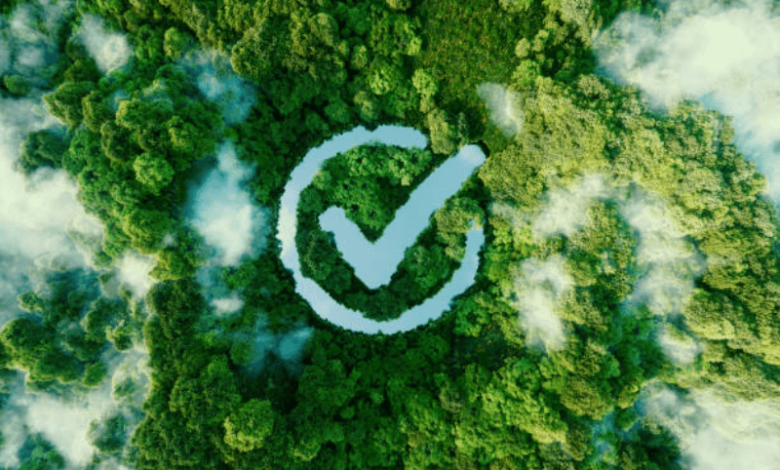
The “30 by 30” nature goal is a global promise to protect 30% of land and 30% of oceans by 2030, and it keeps popping up in climate and biodiversity headlines. It sounds simple, but the real fight is about what counts as “protected” and who gets to decide.
Why 30 by 30 Is More Than a Number
The target sits inside the Kunming-Montreal Global Biodiversity Framework agreed in 2022, and it is now treated like a scoreboard for nature policy. Yet progress is patchy. Estimates often place protection at about 17–18% on land and under 10% in the ocean, meaning a massive scale-up is still needed.
And now oceans are back in focus as the high seas biodiversity treaty (BBNJ) starts coming into force, pushing countries to plan marine protected areas beyond national waters too. It’s moving, slowly.
The Big Catch: “Paper Parks” vs Real Protection
Protected zones only matter if rules are enforced, funding exists, and Indigenous and local community rights are respected. That tension shows up even in official messaging, like the UN biodiversity post on Target 3.